Premium natural clay for bricks & ceramics
BLUE CLAY TUNISIA offers a high-quality, laboratory-tested natural clay deposit with approximately 2.28 million tonnes of estimated reserves. Our fine, plastic clay is ready to supply brick, terracotta, and ceramic tile manufacturers.
A substantial clay source in northern Tunisia
The BLUE CLAY TUNISIA deposit is located south of Menzel Bourguiba, accessible by approximately 2 km of track connecting to the Menzel Bourguiba–Mateur road, roughly 7 km from the town centre.
South of Menzel Bourguiba, ~2 km from the Menzel Bourguiba–Mateur road, ~7 km from town.
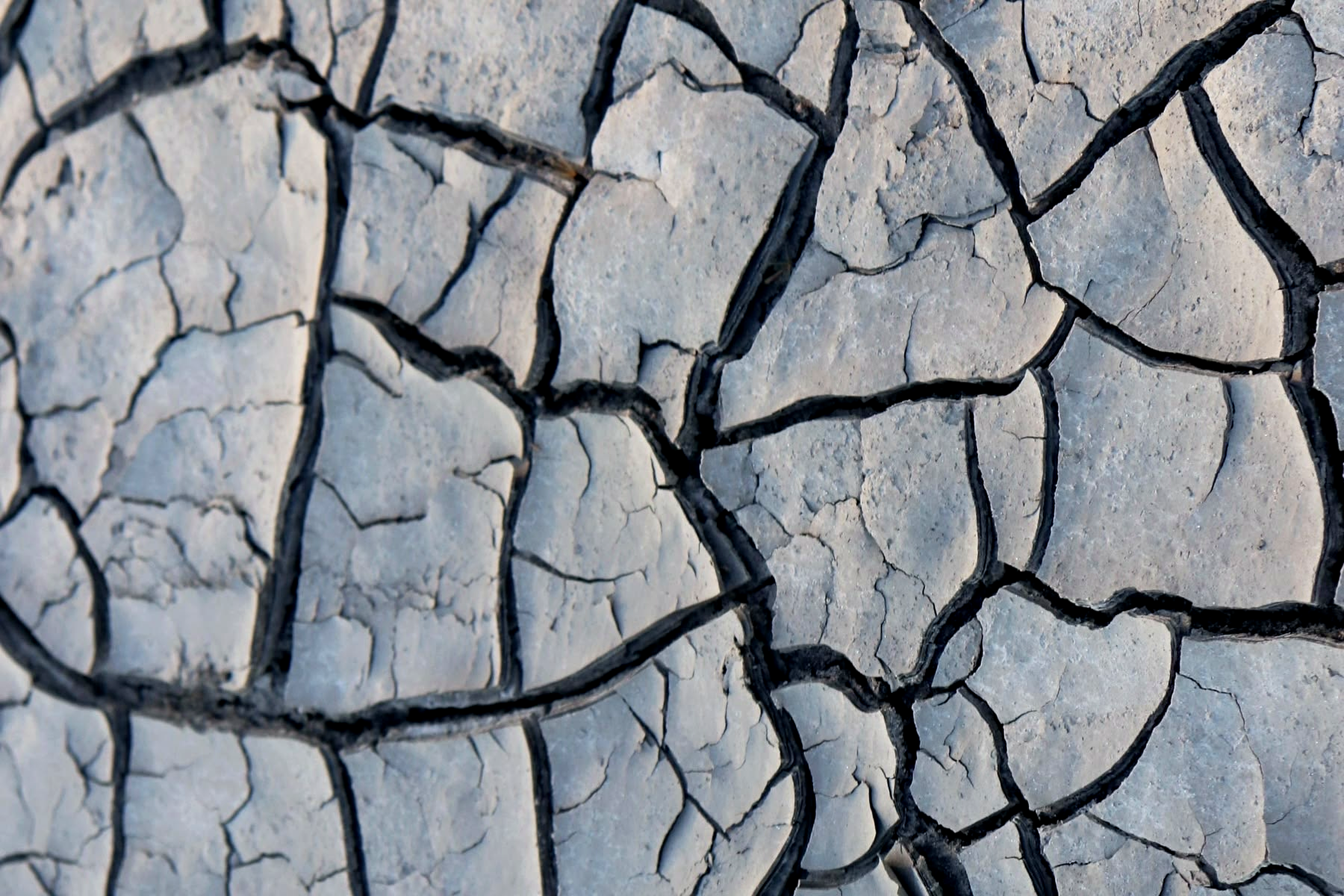
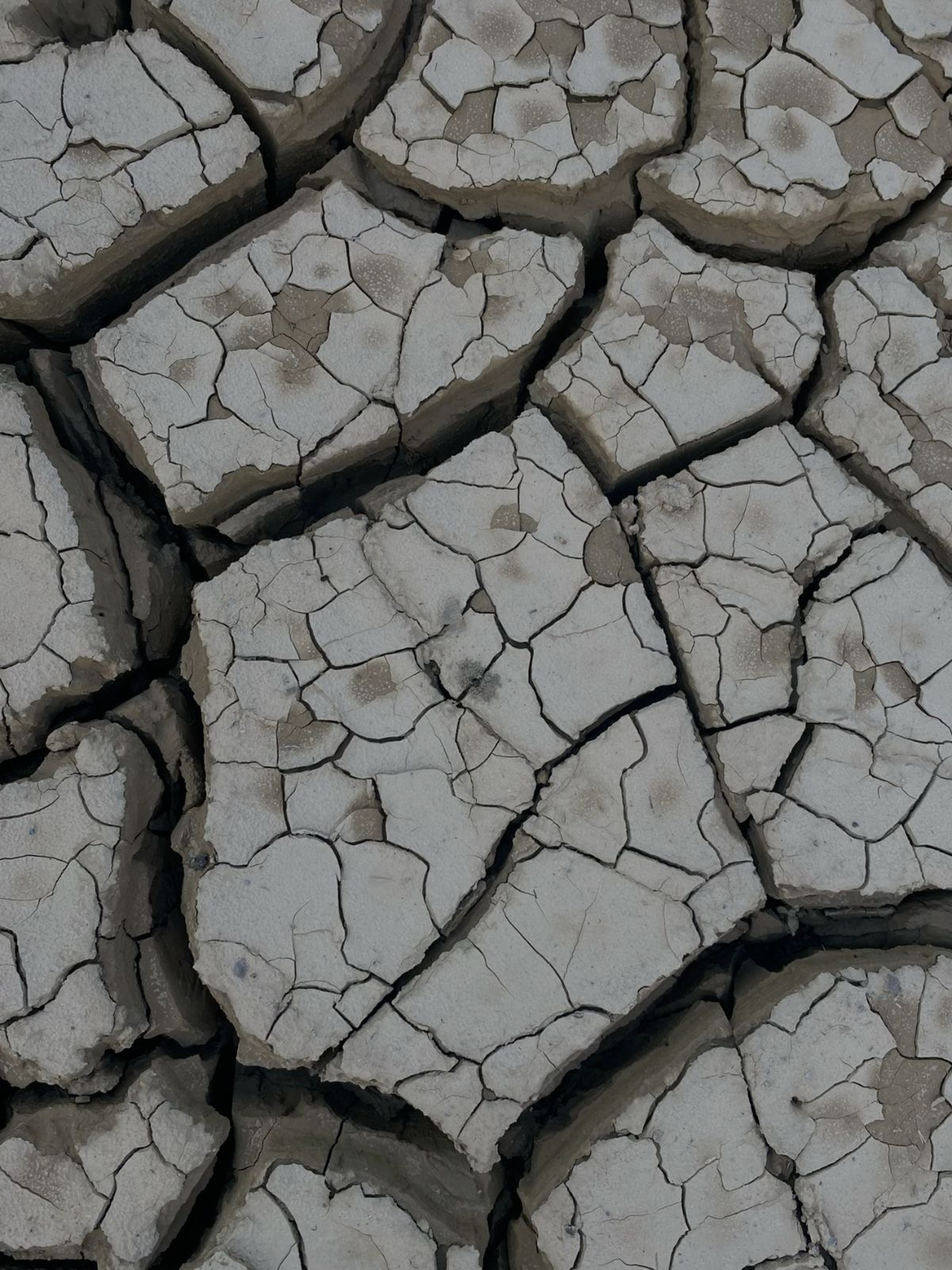
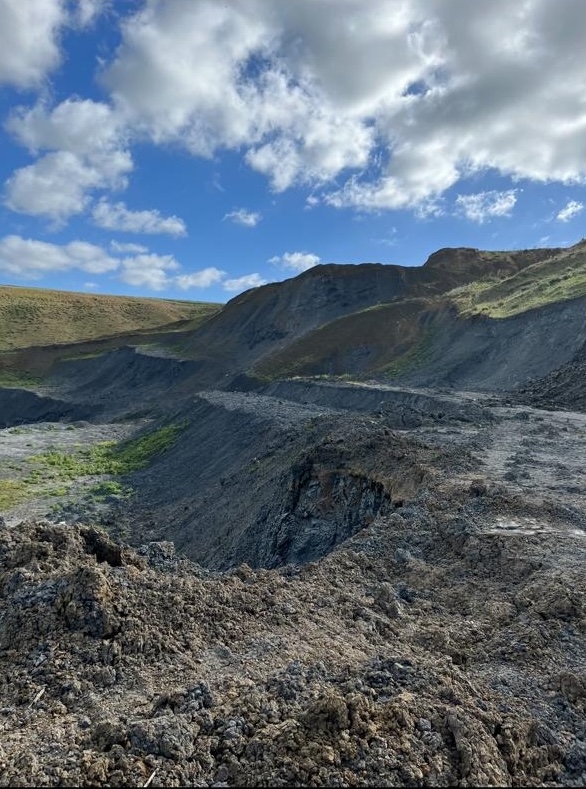
Grey plastic clay with occasional yellowish levels and negligible gypsum traces, exposed over ~20 m visible thickness.
Estimated Resources
Covering approximately 6 hectares with an average exploitable thickness of 20 metres, the estimated in-place volume is 1,200,000 m³. At an average density of 1.9 t/m³, this corresponds to roughly 2,280,000 tonnes of raw clay.
A tested natural raw material for brick production
Laboratory testing confirms that this natural clay has good potential for manufacturing high-quality ceramic products, particularly hollow bricks. The clay was evaluated through drying, firing, dilatometric, and ceramic brick tests, demonstrating suitable characteristics for industrial production.
| Diameter | Passing (%) | Retained (%) |
|---|---|---|
| 1000 µm | 99.95% | 0.05% |
| 500 µm | 99.85% | 0.15% |
| 315 µm | 99.75% | 0.25% |
| 250 µm | 99.60% | 0.40% |
| 160 µm | 99.50% | 0.50% |
| 80 µm | 98.15% | 1.85% |
| 63 µm | 98.00% | 2.00% |
The fine distribution promotes excellent workability. For bricks, the laboratory recommends adding a tempering material such as sand, typically 10–15% by formulation.
Why this clay works for brick manufacturing
The laboratory assessment identified clear advantages that make this deposit a strong candidate for producing high-quality fired ceramic products.
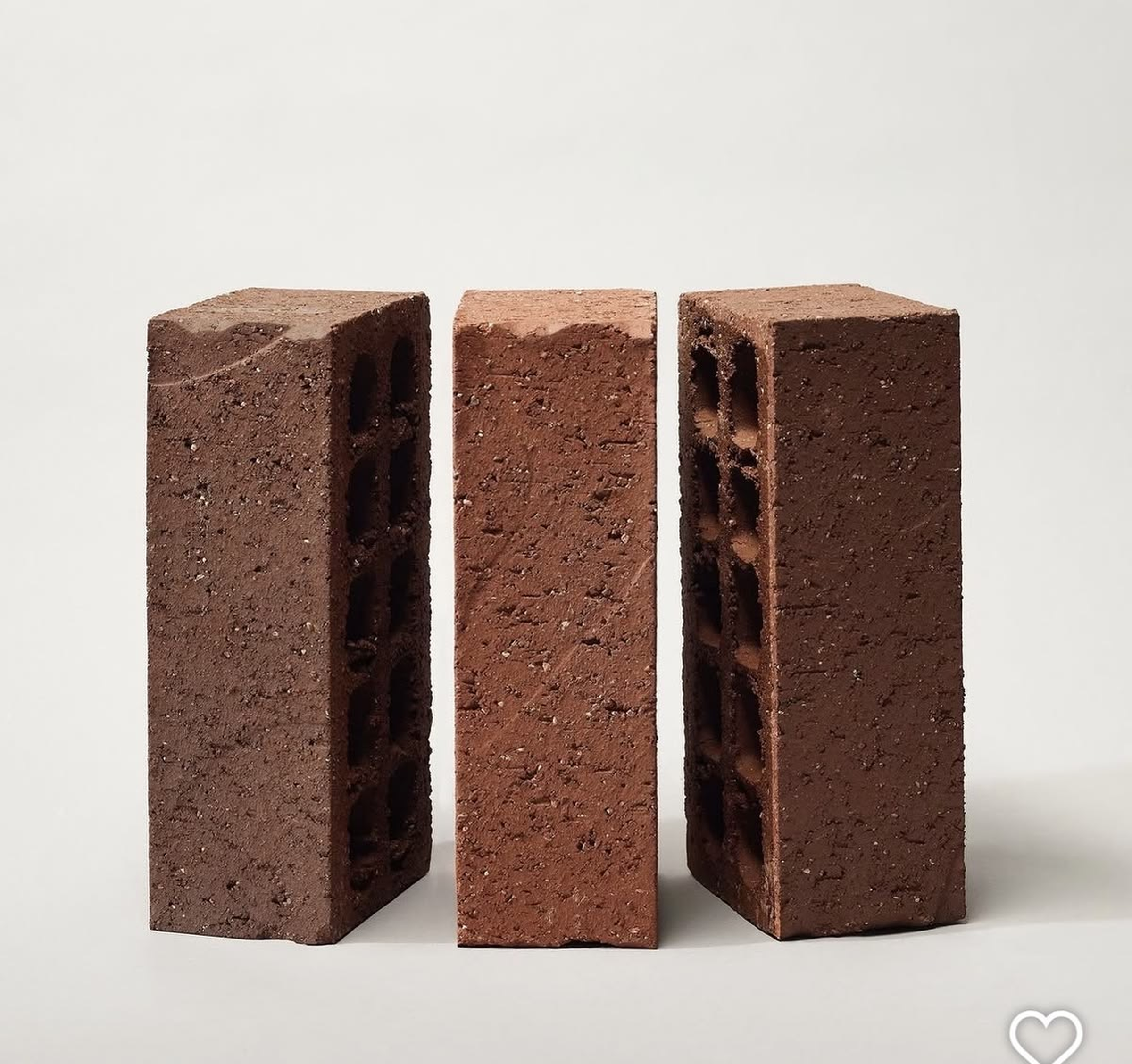
Fired test specimens develop a uniform brick-red color, indicating a suitable chemical composition. Visual appearance is best at approximately 900°C.
Naturally plastic character makes the clay suitable for shaping and extrusion. Forming moisture of 27.83% confirms a workable ceramic body.
Drying shrinkage is ~7.97%. Adding a suitable degreasing material such as sand to ~15% of the mix improves drying and reduces cracking risk.
Controlled drying performance
The measured drying shrinkage was approximately 7.97%, which is relatively high. Increasing the proportion of degreasing material to approximately 15% can bring drying shrinkage to a more acceptable level. A slow and controlled drying process is recommended, particularly during the initial stage, to reduce the risk of cracks.
Firing loss
Laboratory tests recorded an average loss on ignition of approximately 14%. This indicates a significant amount of combustible and/or carbonate-bearing components, including calcium carbonate. This characteristic should be considered when designing the industrial firing cycle.
Firing shrinkage and water absorption
Test specimens were fired at 800°C, 850°C, and 900°C. The results show progressive densification and help identify the right temperature for different product specifications.
| Firing Temperature | Firing Shrinkage |
|---|---|
| 800°C | 1.4% |
| 850°C | 1.6% |
| 900°C | 2.5% |
The appropriate firing temperature should be selected according to the intended product and manufacturing process.
| Firing Temperature | Water Absorption |
|---|---|
| 800°C | 12.03% |
| 850°C | 11.38% |
| 900°C | 10.41% |
At 900°C, water absorption reached approximately 10.41%, indicating progressive densification of the ceramic material.
Low thermal expansion risk
Dilatometric analysis showed thermal expansion behavior characteristic of clay suitable for ceramic manufacturing.
- Maximum measured expansion did not exceed approximately 0.3%, near 730°C.
- Variations around the quartz transformation point were not significant during heating and cooling.
- Low risk of cracking from quartz transformation, provided firing and cooling cycles are properly controlled.
Proven in hollow-brick production tests
Ceramic brick tests were carried out using a mixture of 90% natural clay and 10% medium-grain sand, shaped by vacuum extrusion into hollow brick test pieces.
The results confirmed the material's suitability for producing good-quality hollow ceramic bricks.
- Improve drying behavior
- Reduce forming-water requirements
- Reduce drying shrinkage
- Limit the formation of cracks
- Improve dimensional stability during production
Ready for industrial optimization
Based on the laboratory findings, the following approach is recommended for industrial brick production.
Raw material
Natural clay
Recommended degreasing material
Sand
Tested initial mixture
90% clay + 10% sand
Potential optimized degreasing content
Approximately 15%
Recommended minimum firing temperature
850°C
Tested firing range
800–900°C
Best visual appearance observed
Approximately 900°C
The final formulation and firing cycle should be optimized according to the desired brick specifications and the characteristics of the industrial production line.
A reliable natural resource for ceramic manufacturing
The laboratory investigation confirms that this natural clay represents a promising raw material for the production of ceramic building materials, particularly hollow bricks.
- Good plasticity and workability
- Suitable ceramic behavior
- Good brick-red firing color
- Acceptable water absorption
- Acceptable firing shrinkage at appropriate temperatures
- Suitable thermal behavior
- Demonstrated performance in hollow-brick laboratory trials
- Substantial reserves with favorable bench-style extraction topography
Laboratory results provide a strong technical basis for considering this clay as a raw material for brick manufacturing. For manufacturers and industrial partners looking for a locally available natural clay with demonstrated ceramic potential, this deposit offers an attractive opportunity for further industrial development and production-scale testing.
Ready to discuss your clay supply?
Contact BLUE CLAY TUNISIA to request samples, technical datasheets, or a tailored quotation for your brick, terracotta, or tile production needs.
Menzel Bourguiba, Bizerte Governorate, Tunisia